Advancing Surgical Vision Through
Innovation and Fluorescence
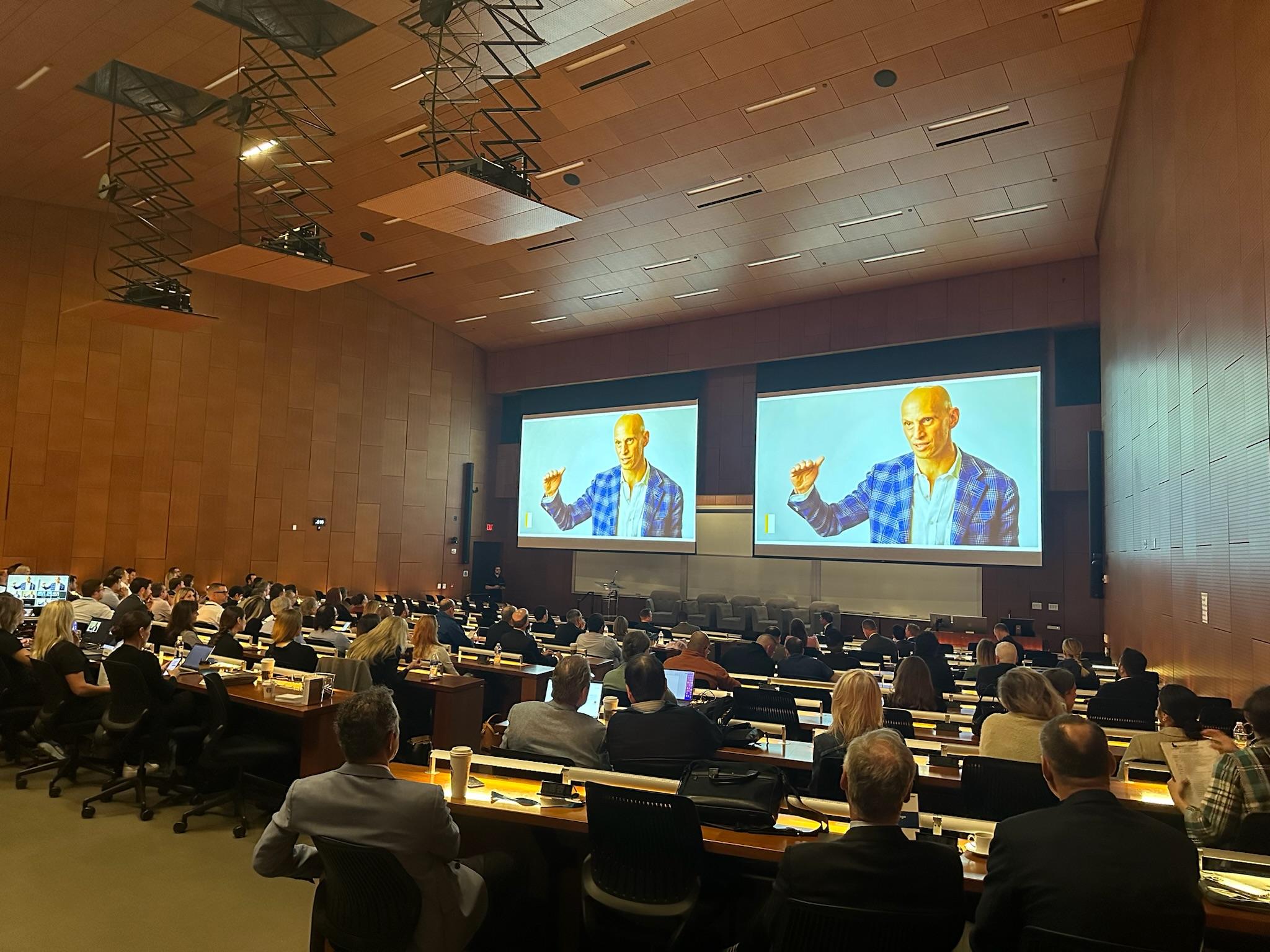
This course brings together pioneers in bariatric, colorectal, foregut, general surgery, HPB and surgical oncology to explore how fluorescence imaging is transforming operative decision-making.
Participants will learn practical strategies for optimizing current fluorescence applications while gaining exposure to emerging technologies, including novel fluorophores, tumor-targeted imaging agents, nerve and ureter visualization technologies, laser speckle contrast imaging, artificial intelligence, and augmented reality surgical navigation.
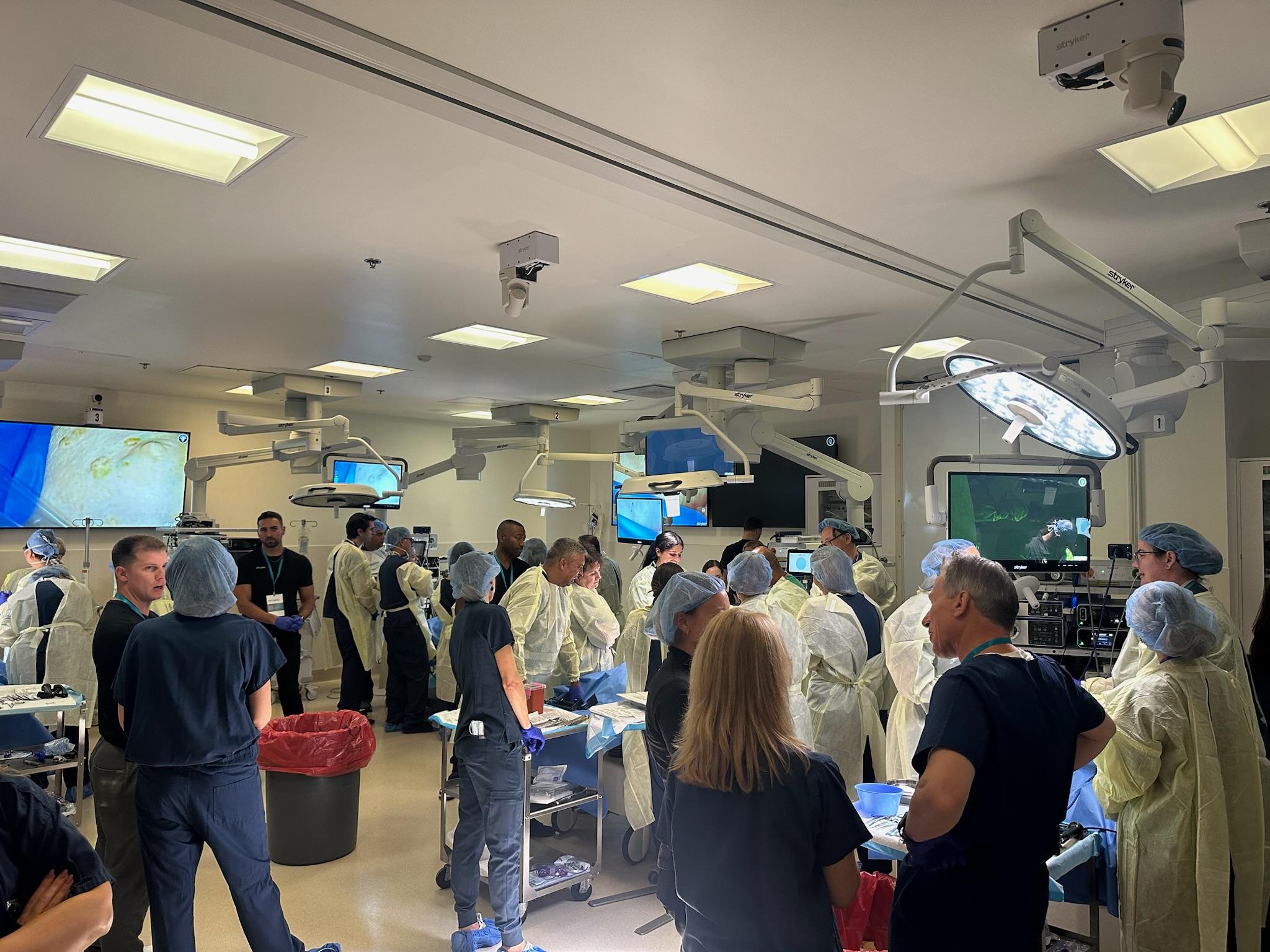
The program combines focused expert lectures with a comprehensive hands-on laboratory experience featuring multiple commercially available and investigational imaging platforms. Attendees will leave with actionable knowledge and practical skills that can be immediately incorporated into clinical practice and future technology evaluation efforts.
WHEN
Saturday, November 7th, 2026
WHERE
UC San Diego Center for the Future of Surgery | MET Building, 9500 Gilman Dr, La Jolla, CA 92093
Limited Seats, Maximum Impact
Spots are capped at just 50 to maximize hands-on time, faculty access, and surgical skill development in a focused, high-touch learning environment.
Don’t wait to claim your seat — apply now.
Target Audience
The course is designed for practicing surgeons interested in a detailed fluorescence imaging education experience. It is particularly relevant for surgeons in bariatric, colorectal, foregut, general surgery, HPB and surgical oncology.
Benefits:
- Learn directly from internationally recognized leaders in fluorescence-guided surgery.
- Understand evidence-based applications of fluorescence imaging across multiple surgical specialties.
- Compare current and emerging fluorescent imaging agents and technologies.
- Gain hands-on experience with multiple imaging platforms in realistic surgical models.
- Learn practical implementation strategies for integrating advanced imaging into clinical practice.
- Explore future directions including artificial intelligence, autonomous surgery, augmented reality, and next-generation fluorophores.
- Network with surgeons, researchers, and innovators who stand at the forefront of shaping the future of image-guided surgery.
- Obtain CME credit while acquiring skills applicable to both current and future practice.
Learning Objectives
At the completion of this activity, participants should be able to:
- Describe the scientific principles and clinical applications of fluorescence-guided surgery across gastrointestinal, hepatobiliary, bariatric, colorectal, trauma, and oncologic procedures.
- Compare currently available and emerging fluorescent imaging agents, including their indications, dosing strategies, limitations, and clinical utility.
- Apply evidence-based fluorescence imaging techniques to improve visualization of anatomy, tissue perfusion, lymphatic pathways, tumors, nerves, and ureters during surgical procedures.
- Evaluate emerging technologies such as laser speckle contrast imaging, tumor-targeted fluorophores, artificial intelligence, and augmented reality for integration into surgical practice.
- Demonstrate familiarity with advanced imaging platforms and workflow considerations necessary for implementing fluorescence-guided surgery programs within their institutions.
- Assess the potential impact of advanced imaging technologies on surgical decision-making, patient safety, operative efficiency, and clinical outcomes.
Countdown to the Advancing Surgical Vision Through Innovation and Fluorescence
- Days21
- Hours17
- Minutes25
- Seconds35